Scuba Diving
Recommended
First Scuba Dive in Cousteau Reserve, Guadeloupe
(426)
Organized by Les Heures Saines Plongée
Cousteau Reserve, Guadeloupe
2 hrs
From€60
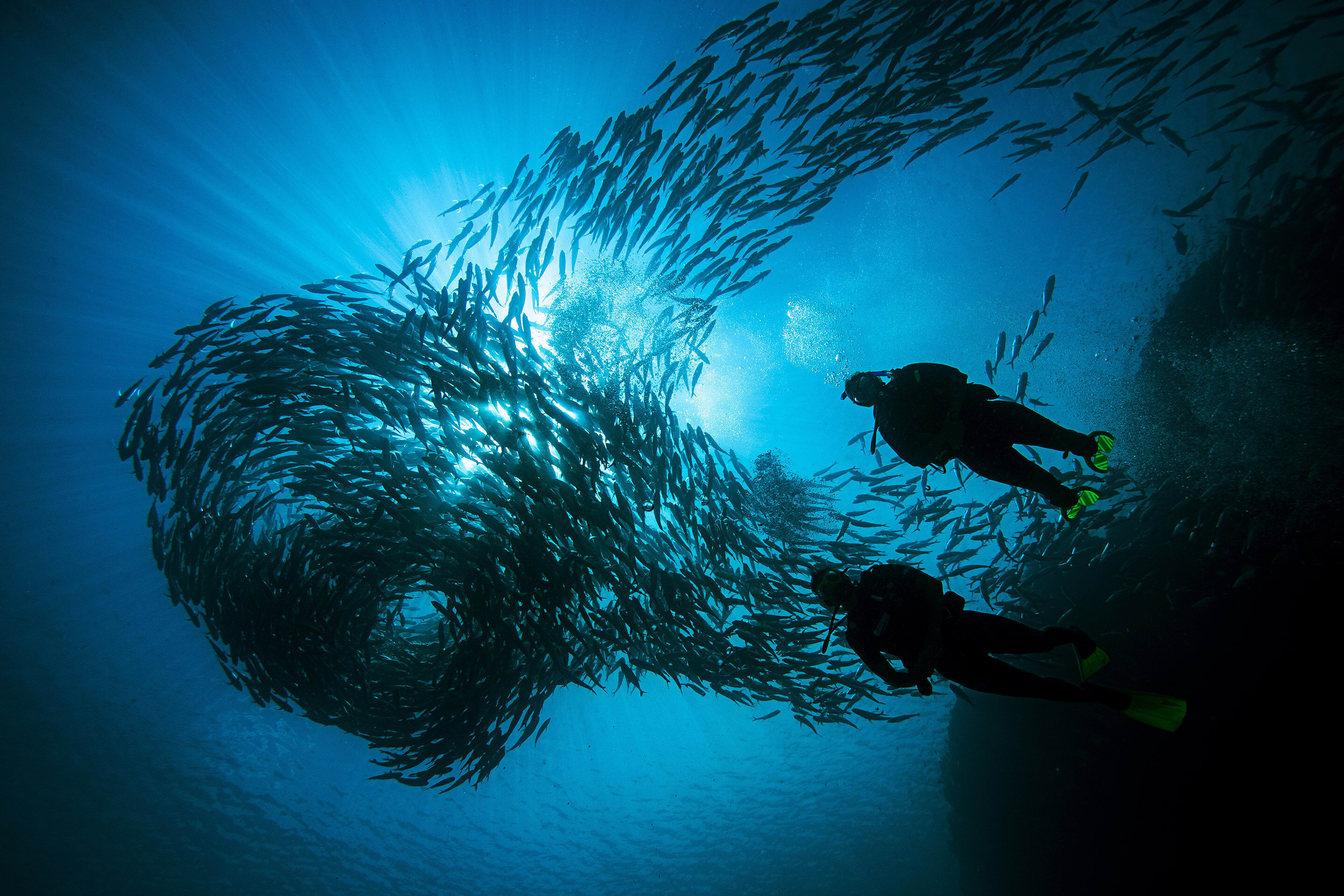
Humanity has always been driven by an insatiable thirst for discovery, a constant desire to explore even the most inaccessible territories. The fascinating and mysterious underwater world is no exception to this quest. For centuries, mankind has been captivated by what lies beneath the oceans and has continually sought ways to dive longer and deeper. After all, the oceans cover almost 70% of the Earth's surface — an open invitation to explore the depths!
Welcome to Manawa, the website for booking outdoor activities around the world. From diving to canyoning, we connect adventure enthusiasts with professional local instructors to guarantee unforgettable experiences.
Scuba diving has evolved considerably over the course of history. Initially, it seemed like an unattainable dream, but today it has become a leisure activity accessible to millions. So, how did we get here? Thanks to scientific innovations and the courage of many pioneers, scuba diving has transformed into the fascinating sport we know today. To find out more, join us on a journey back in time as we retrace the history of scuba diving!
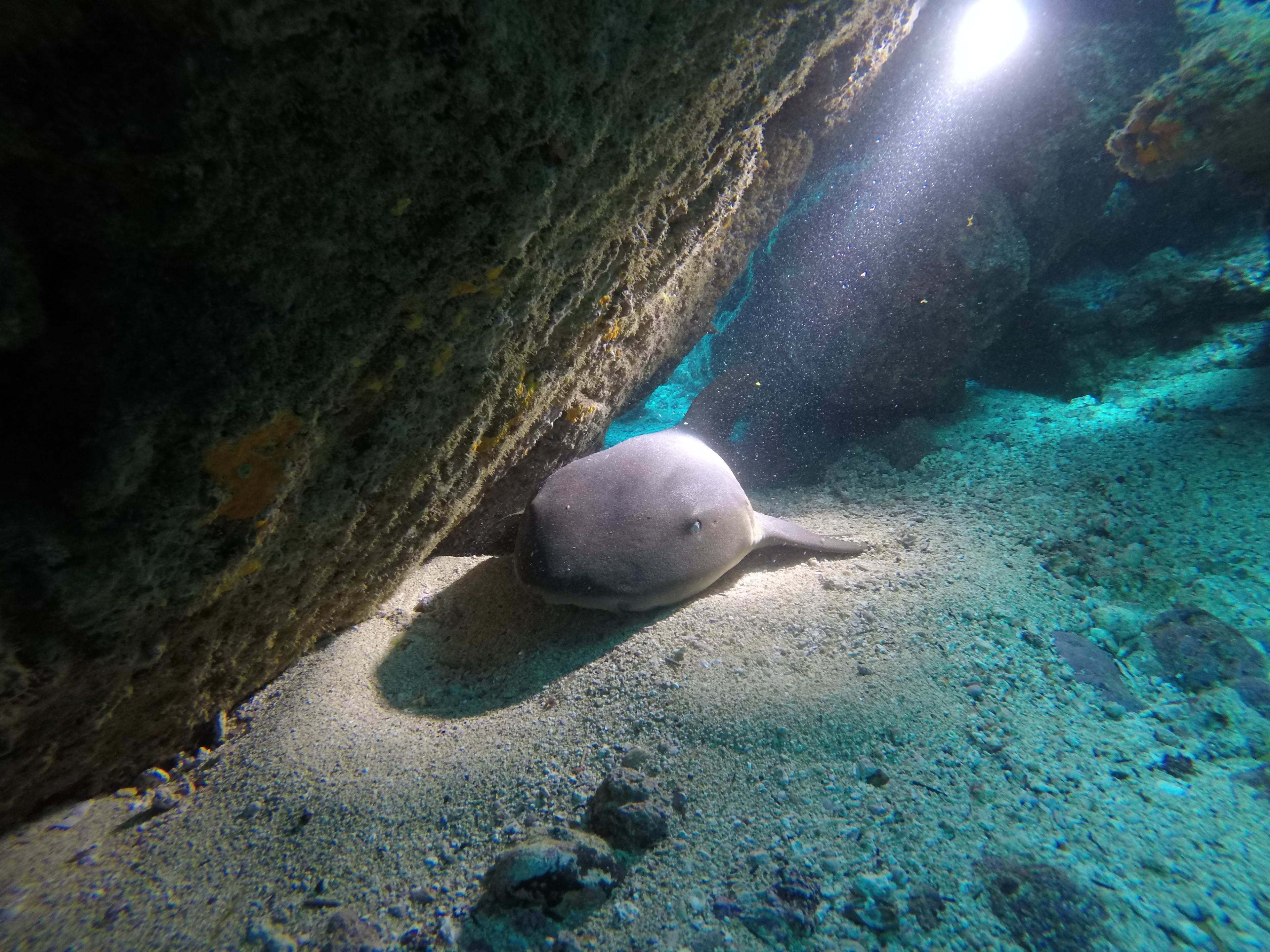
Even before the possibility of breathing underwater became a reality, coastal peoples were already freediving. As far back as prehistoric times, people wishing to feed themselves had to hunt for crustaceans or fish by holding their breath. Sea sponges, shellfish and coral were also collected using this ancestral technique.
Did you know? The Bajau people of Indonesia have developed physiological and genetic adaptations that enhance their freediving performance. They can hold their breath for almost 13 minutes at depths of up to 60 meters!
Despite the exceptional adaptations of this coastal people, free diving remains limited. Man therefore had to innovate to be able to dive deeper and longer. To do this, they needed to be able to breathe underwater. From then on, a whole process was launched to devise inventions that would make it possible to go from freediving to scuba diving.
The concept of a "diving bell" is generally dated back to the 4th century. The first tool for 'transporting' air underwater with the diver, this object is thought to have been imagined by the philosopher Aristotle around 322 BC. The principle behind the diving bell is simple: the air inside the bell is trapped be the water pressure, allowing the diver inside to breathe. Alexander the Great is famously said to have used such a device for underwater reconnaissance and harbour work. However, it was not until the Renaissance that the diving bell really took off.
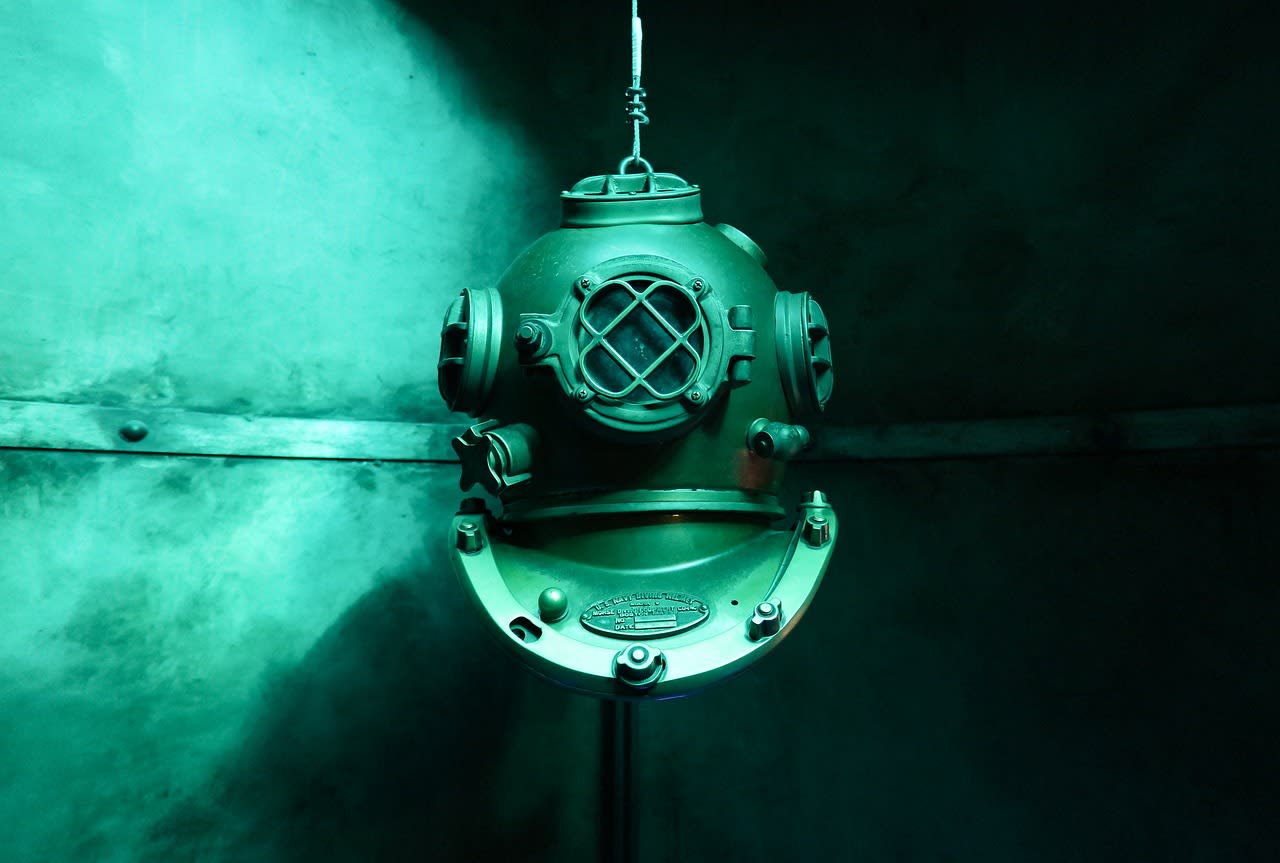
The diving bell continued to be used in the 16th and 17th centuries. In 1678, a text by a Lyonnais physician, Doctor Panthot, seems to indicate that the use of the diving bell was a regular procedure for the Spanish navy at the time. In this particular case, the divers would have used the bell to recover thousands of piastres (coins) from a shipwreck just outside the port.
More broadly, diving bells were used from the 16th to the 19th century to recover objects or goods lost during shipwrecks, for underwater work (maintenance of ship hulls, pipelines or communications cables), for scientific exploration or even to rescue trapped sailors.
Meanwhile, the first helmeted diving suit was invented in the 18th century. This device allowed divers to move around on the seabed, breathing through a tube connected to the surface, where other men pumped the air they needed to survive. Although this invention was a step forward, the diver remained dependent on this surface umbilical, heavily limiting both their mobility and their depth due to the crushing water pressure.
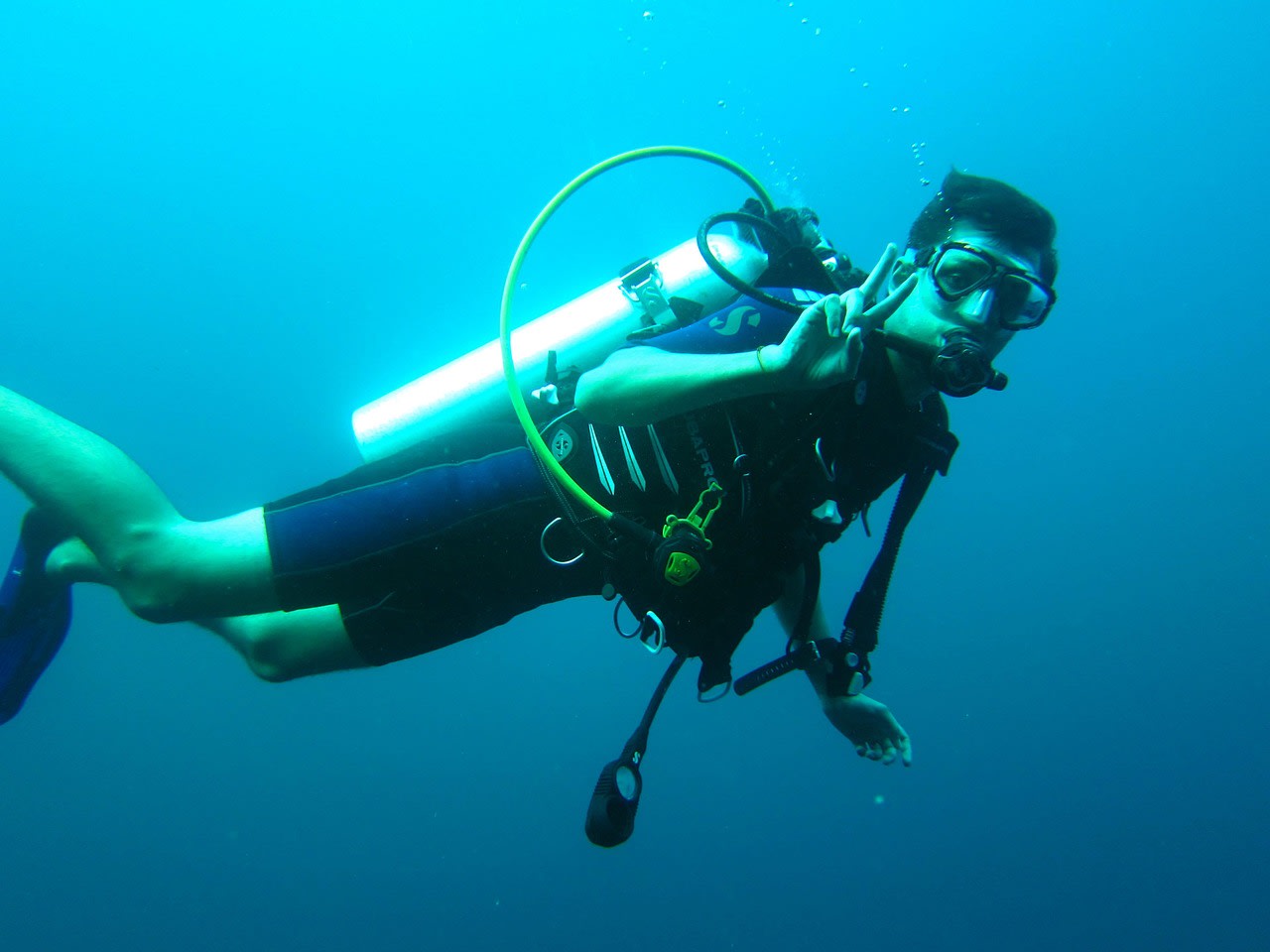
After the diving bell and the helmet suit, the invention of the regulator marked the ultimate milestone in diving history. Thanks to the regulator, divers could finally breathe air from a high-pressure tank at their exact ambient depth. From that moment on, scuba diving became truly autonomous, lighter and completely independent from the surface.
The modern regulator is conceptually based on an 1838 design by French doctor Manuel Théodore Guillaumet. However, it was in 1943 that engineer Émile Gagnan and explorer Jacques-Yves Cousteau revolutionized the design, inventing the first mass-successful automatic diving regulator. The two men named their device the "Aqualung" (literally, aquatic lungs). Suddenly, the underwater world was more accessible than ever before.
Even so, during the 1950s and 60s, recreational diving remained largely a niche for affluent individuals in peak physical condition. When the sport gained in popularity, equipment manufacturers decided to develop the market within their reach by making the equipment less expensive and easier to operate. With these safety and comfort innovations, the public's curiosity exploded.
Initially, only the military and commercial diving companies provided training. Soon after, the first civilian diving school opened in France to teach enthusiasts how to use the new Aqua-Lung. By 1959, the founding of NAUI, followed closely by the launch of PADI in 1966, officially brought structured, safe diving education to the global masses.
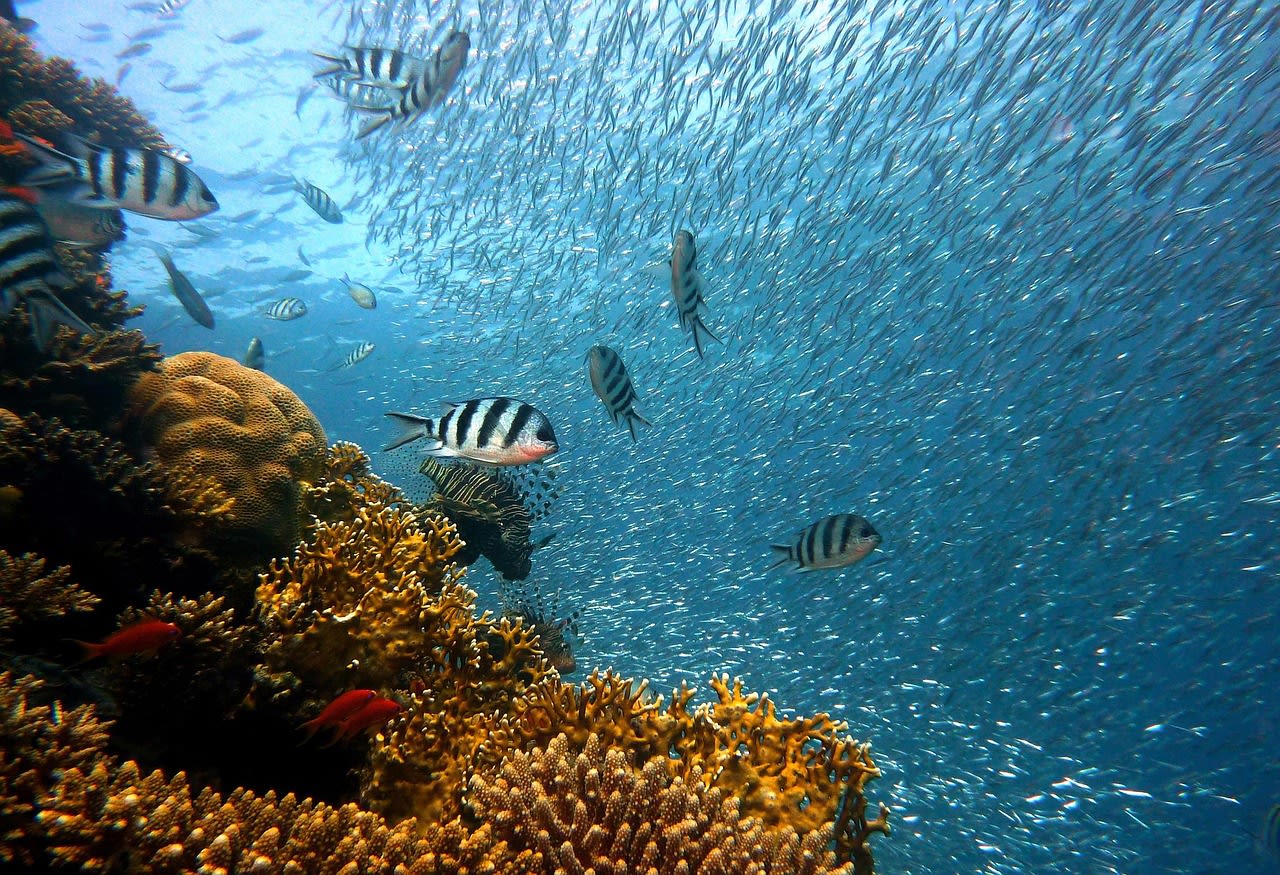
Today, there are two main organisations that offer scuba diving training: PADI and SSI. Before even thinking about training, anyone with no contraindications to diving (asthma, heart disease, ear problems, etc.) can easily sign up for a discovery dive to experience the beauty of the underwater world.
While diving was historically a strict military or industrial discipline, it has transformed into a thriving leisure activity. For the first time, the sport is being linked to global tourism. Large numbers of travellers seek out iconic diving destinations, such as Guadeloupe, Malta and Portugal!
More than ever, modern diving equipment offers optimum comfort and safety. High-performance drysuits and thick wetsuits make it possible to explore even the coldest waters on the planet, like the Silfra fault in Iceland or the powerful currents of Saltstraumen in Norway. Additionally, modern masks feature tempered glass for extreme depth safety and can even be customized with corrective prescription lenses.
Beyond adventure, scuba diving now plays a crucial role in raising awareness of the need to protect marine ecosystems. By introducing the majesty of marine life to the public, diving professionals naturally highlight its fragility. After exploring a reef teeming with life and vibrant corals, a diver can't help but become an advocate for its protection.

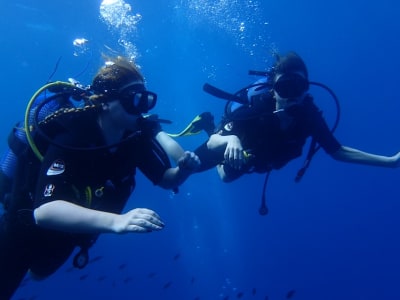
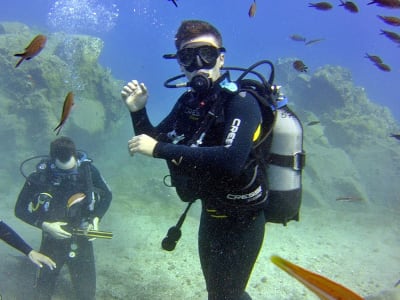
Ultimately, this brief history of scuba diving is a reflection of human ingenuity. The evolution of the equipment is what has dictated how accessible the sport is, adapting to the needs of society over time.
While diving was once a high-risk activity reliant on rudimentary tools, it is now an incredibly safe, accessible sport. If you can swim and are in good health, the underwater world is open to you — both physically and financially. To help you prepare for your first underwater adventure, don't miss our complete guide to scuba diving, which breaks down everything you need to know before taking the plunge. You can also get inspired by the pros and check out our curated list of the best scuba diving YouTube blogs, podcasts, and influencers to see what life looks like beneath the waves. We are fortunate to live in an era where exceptional dive sites can be safely explored all over the globe, often right in your own backyard. Best of all, you can easily book your diving activity online at Manawa.com!
So, why not take the plunge? Where on our beautiful blue planet will you choose to do your very first dive?
Passionate about outdoor activities, I'll be sharing my tips and tricks to help you discover a destination or sport in the best possible way!
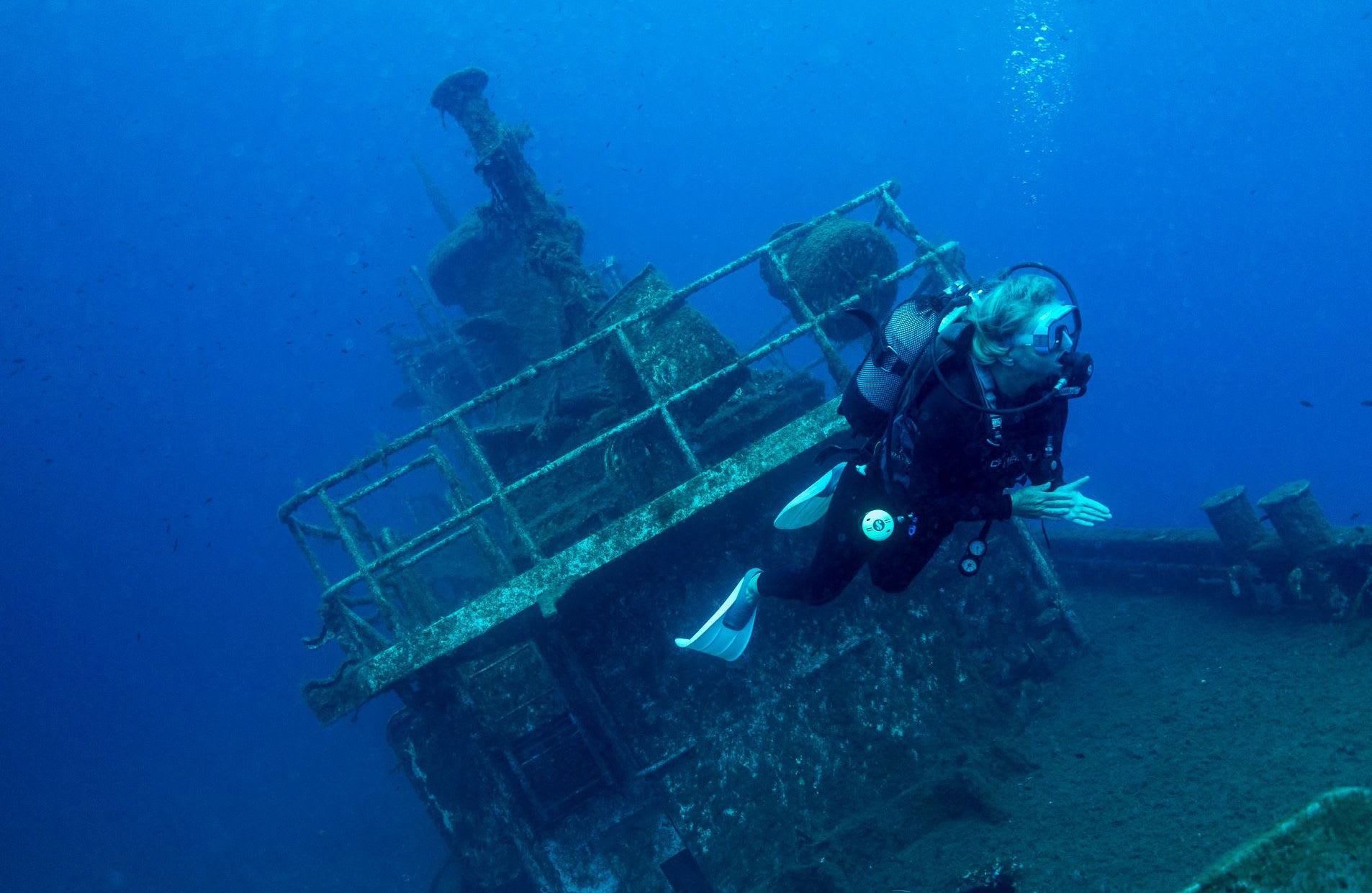
Discover the best scuba diving YouTube blogs, podcasts, and influencers to follow for expert advice and underwater inspiration. This guide connects you with the top creators in the
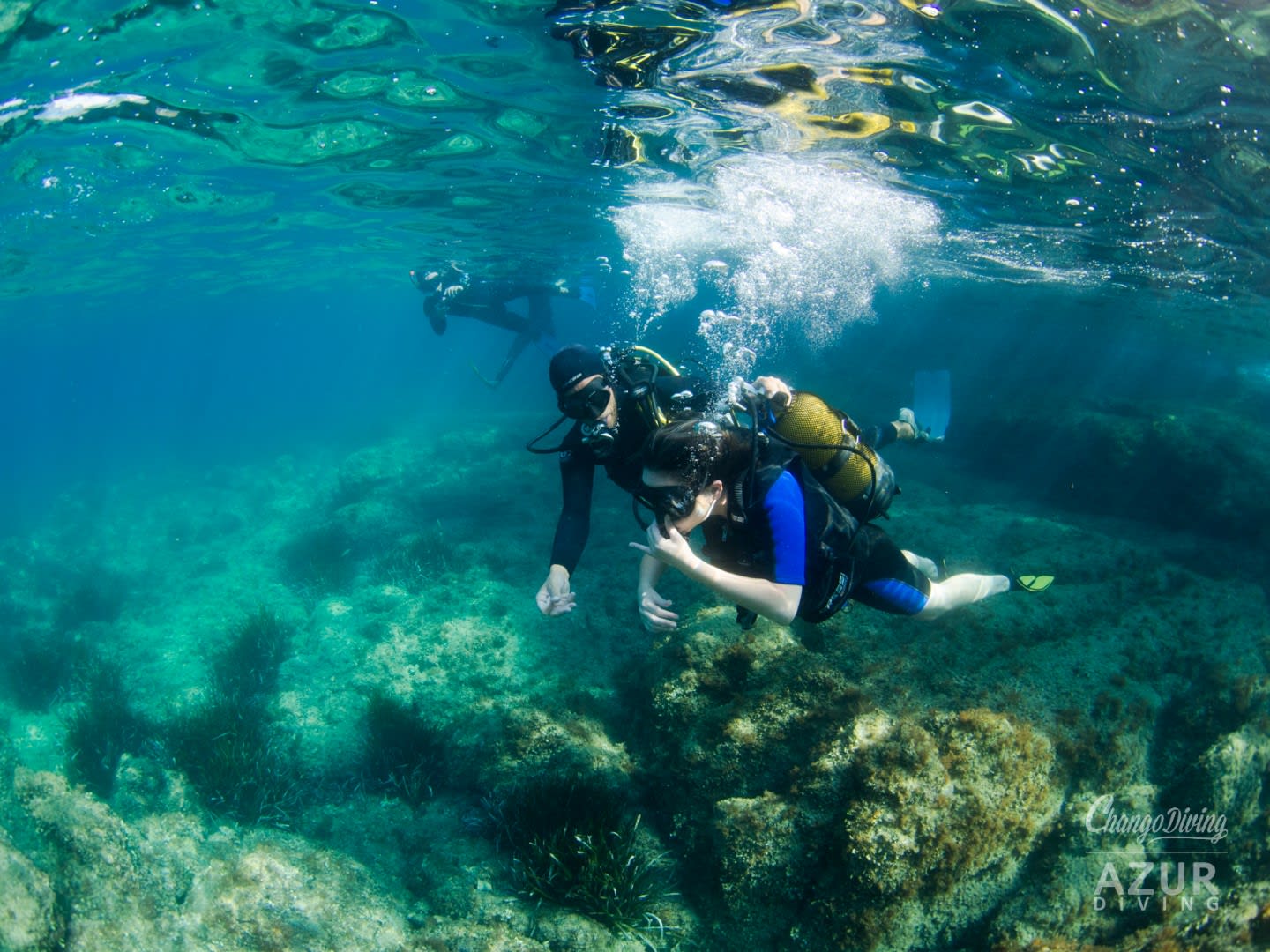
Learn all you need to know before your first scuba dive: Who can dive and who can't? What are the best places?
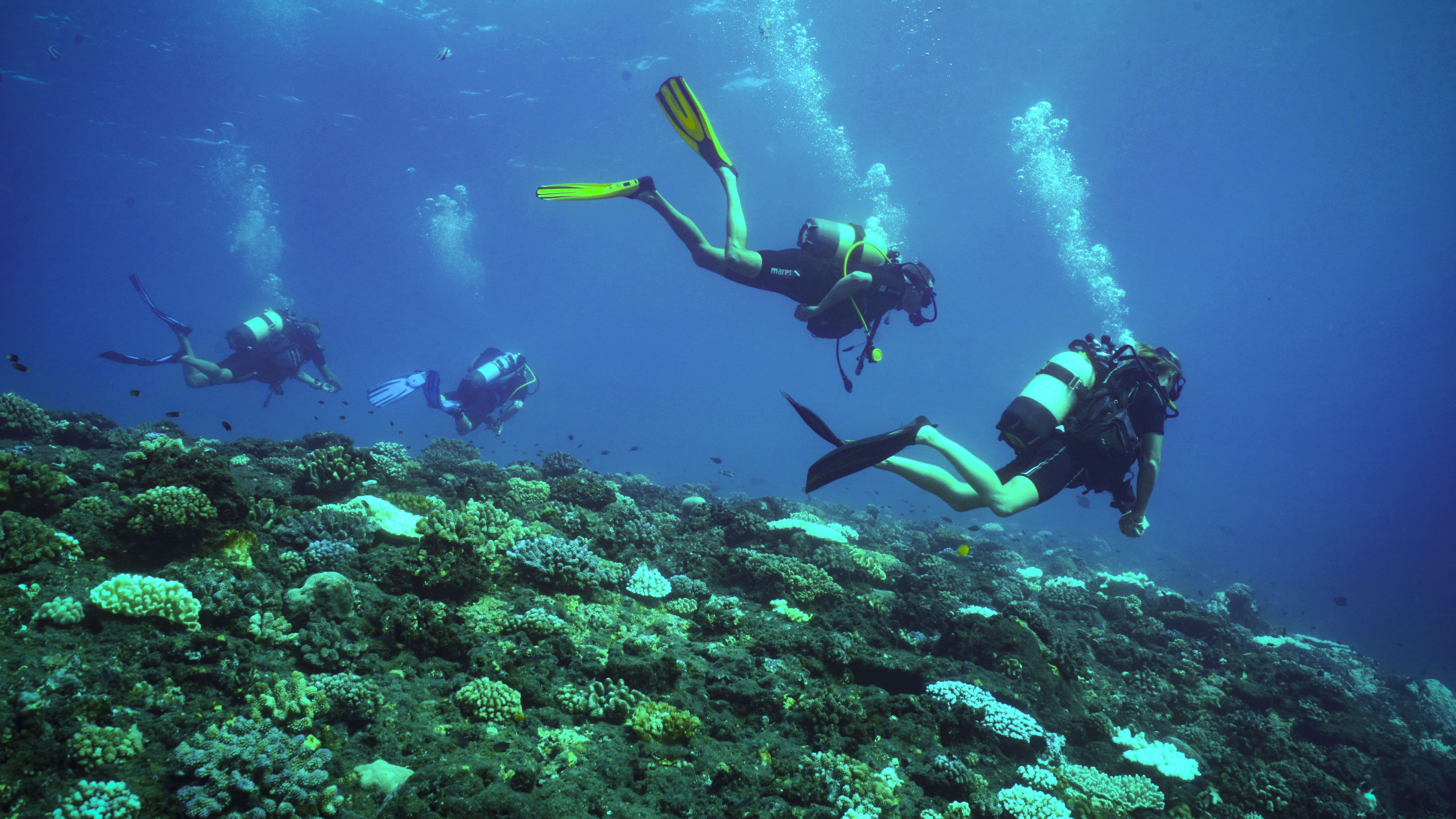
Explore the best scuba diving spots in Reunion Island, from the dramatic volcanic walls of Saint-Leu to the hidden shipwrecks of Saint-Paul.
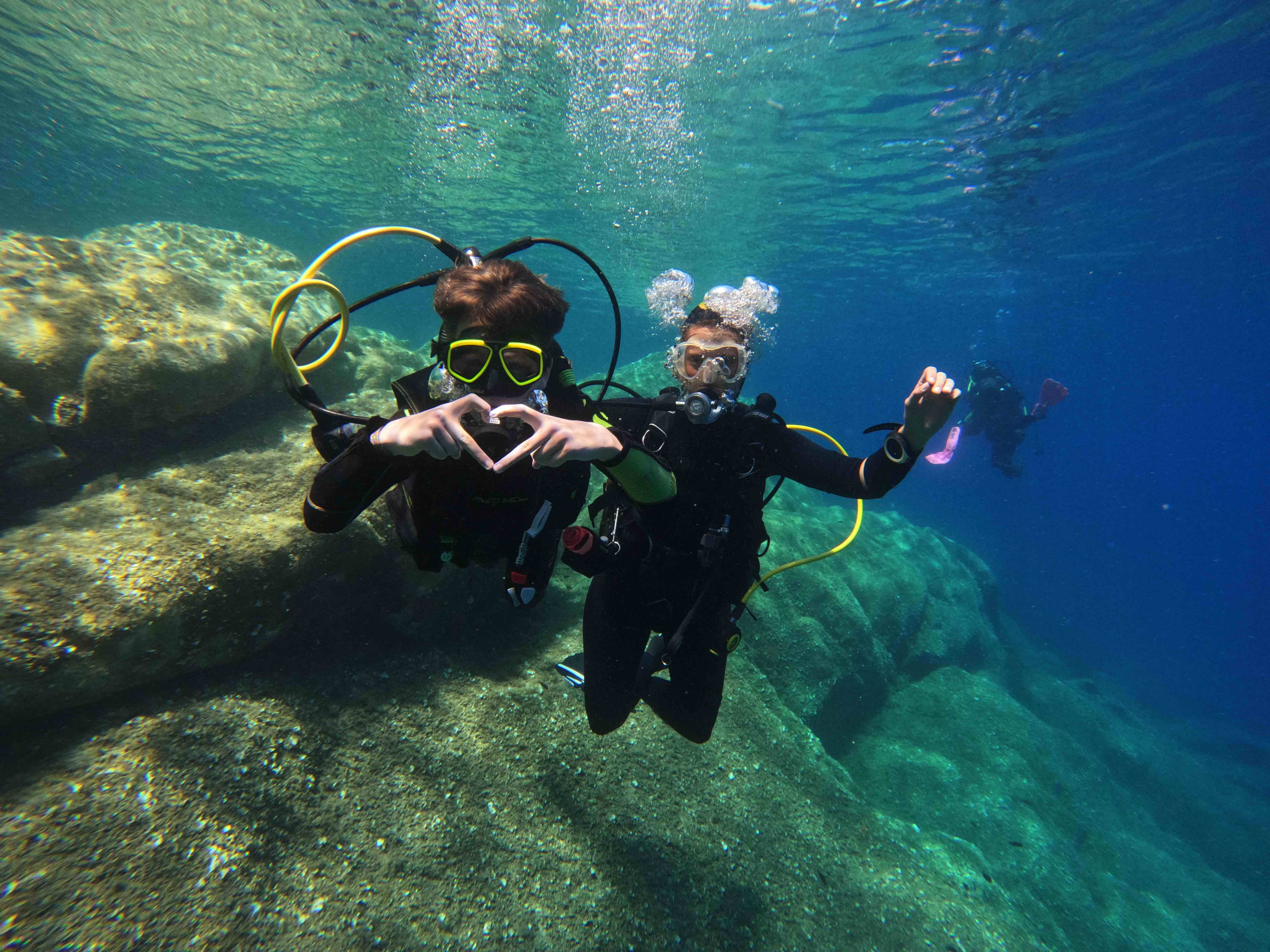
Check out the best scuba diving spots in Corsica, from easy bays to deeper sites — clear water, sea life, rocks, and old World War II wrecks underwater.
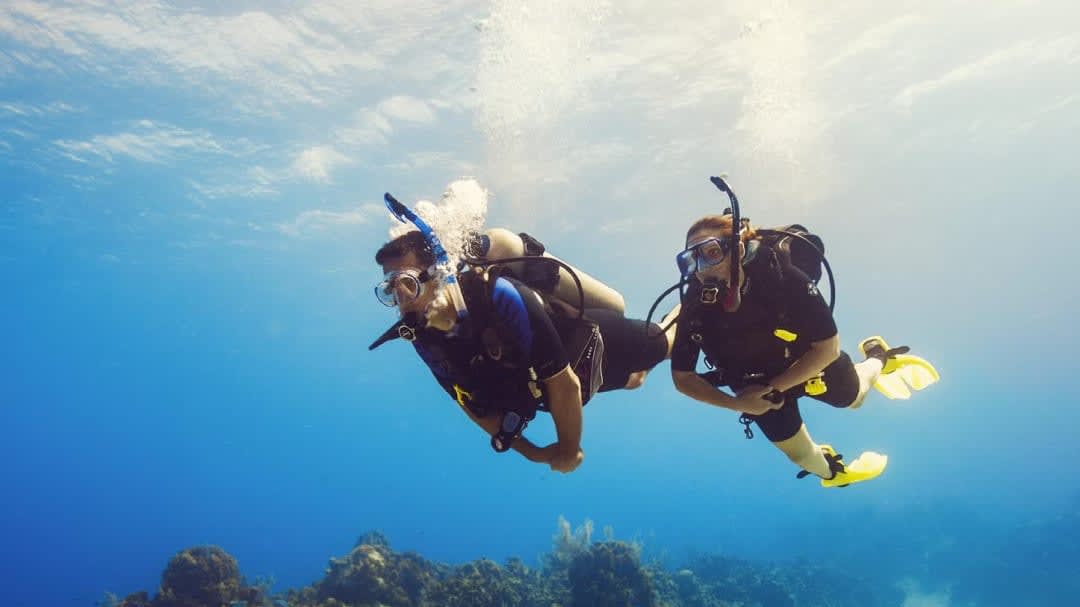
Discover the best scuba diving in Madeira, from vibrant reefs in Funchal and Machico to historic wrecks in Porto Santo. Year-round underwater adventures await.
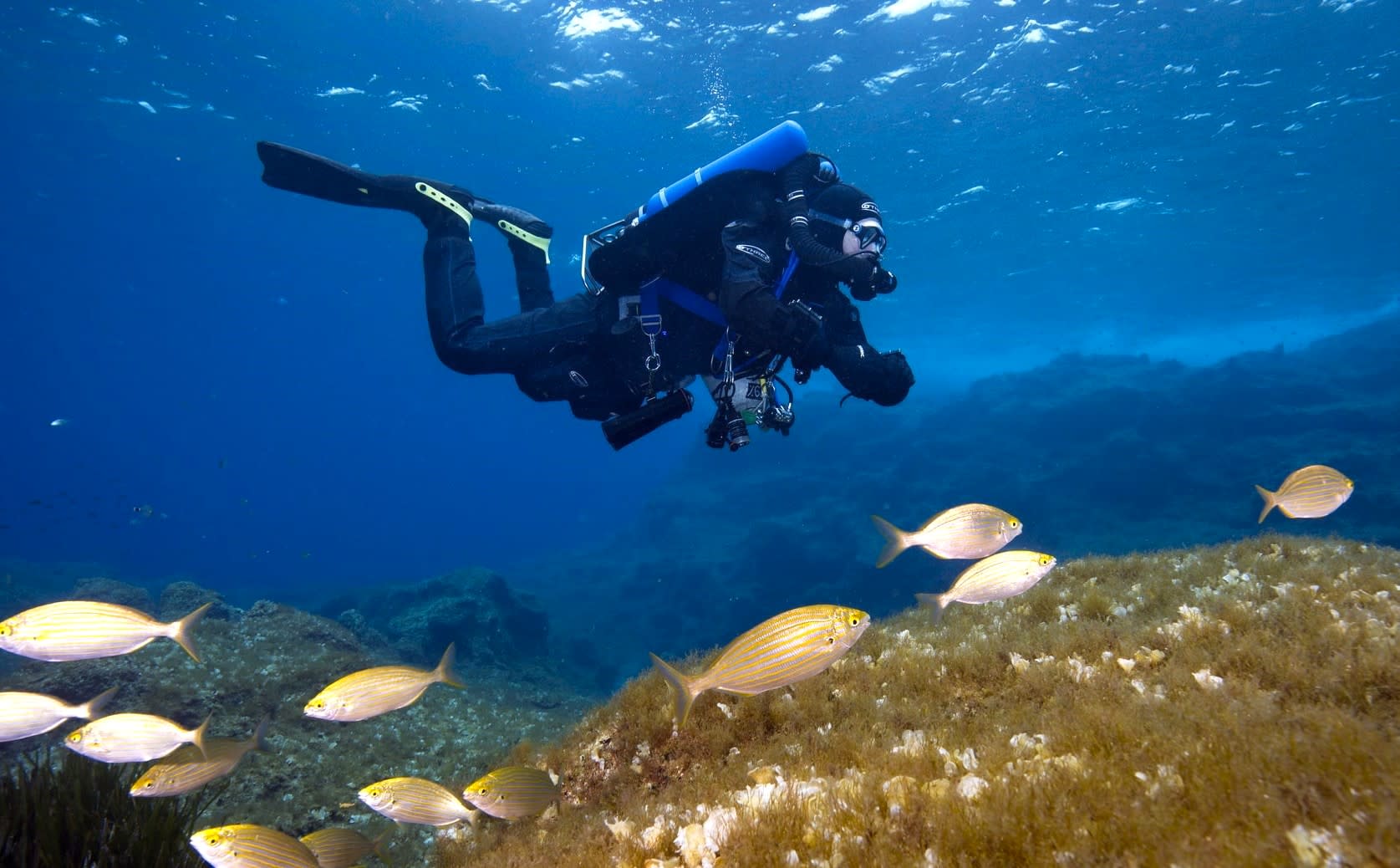
Discover the best scuba diving spots in Malta: Sliema, Mellieha and Bugibba are waiting for you!