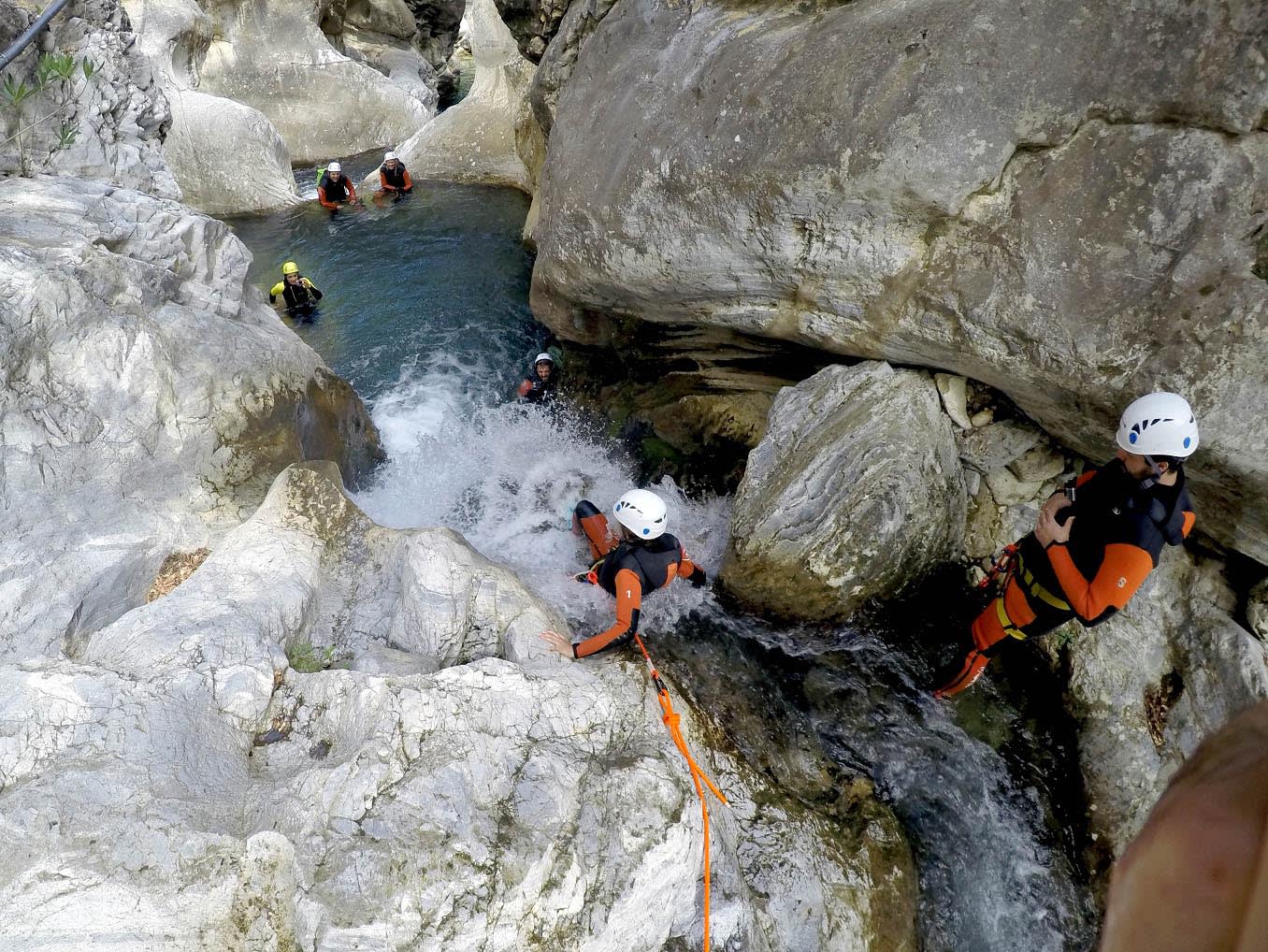
The Complete Guide to Canyoning
Check out the Complete Guide to Canyoning. Everything you need to know is right here - from what to bring to where to go, this is a must-read for canyoning.
Welcome to Manawa, the website for booking outdoor activities around the world. From diving to canyoning, we connect adventure enthusiasts with professional local instructors to guarantee unforgettable experiences.
Canyoning, water trekking, coasteering, snorkelling... it's easy to get lost between all these terms for water adventures. But what's the difference between these sports?
This article will help you to distinguish between these activities once and for all, and to get a clearer picture of the jargon surrounding outdoor sports. Knowing the difference between canyoning and water trekking, as well as snorkelling and coasteering, will help you choose the experience that suits you best!
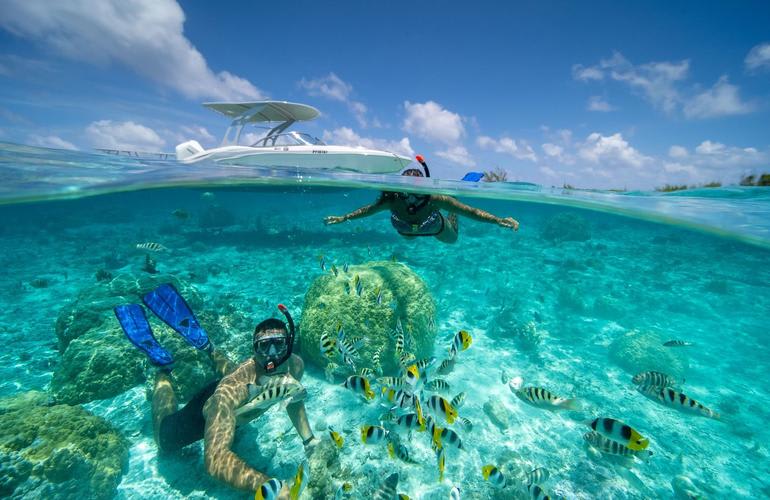
Here's the first pair of activities that can be easily confused. Snorkelling, also known as snorkelling, is not the same thing as snorkelling, because in the latter you won't come across a manta ray, but at best an otter...
Snorkelling, a must-do activity on a seaside holiday, is done with a snorkel, mask and flippers and is similar to scuba diving. It's an activity that essentially consists of exploring the seabed and observing different species while staying fairly close to the surface. Snorkelling is an ideal way to familiarise yourself with the underwater world without needing a scuba tank or any special qualifications. It's a very convivial activity and perfect for doing with family or friends.
All over the world, there are some magnificent spots for snorkelling. Take a look at the 10must-see destinations for snorkelling in France.
Water rafting, on the other hand, is done in white water. This activity consists of walking or swimming along watercourses over various obstacles in relaxed mode. Water trekking is similar to canyoning. We stress the word "similar" because there are many differences. To find out more, read on.
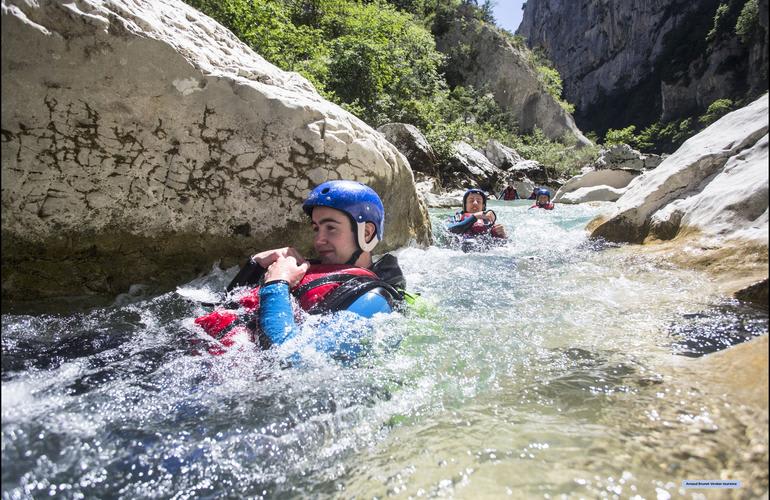
The term aquatic trekking is often used as a synonym for canyoning. Although both activities take place in white water, there are a number of differences between them.
The biggest difference between canyoning and water trekking is the geographical location. As the name suggests, canyoning is mainly practised in a canyon. The activity involves descending a gorge, which can be narrow and difficult to access, as well as abseiling down vertical sections. Water trekking, on the other hand, is practised in rivers and in wider spaces. It's a bit like kayaking, but without the kayak!
The second difference is the equipment. Even though you're equipped in much the same way (neoprene wetsuit, helmet, etc.), water trekking doesn't require ropes and harnesses because you won't be abseiling or climbing. Canyoning, on the other hand, combines climbing, caving and hiking. When descending a gorge, you'll be abseiling and jumping from varying heights. For more details, take a look at our article on all you need to know about canyoning.
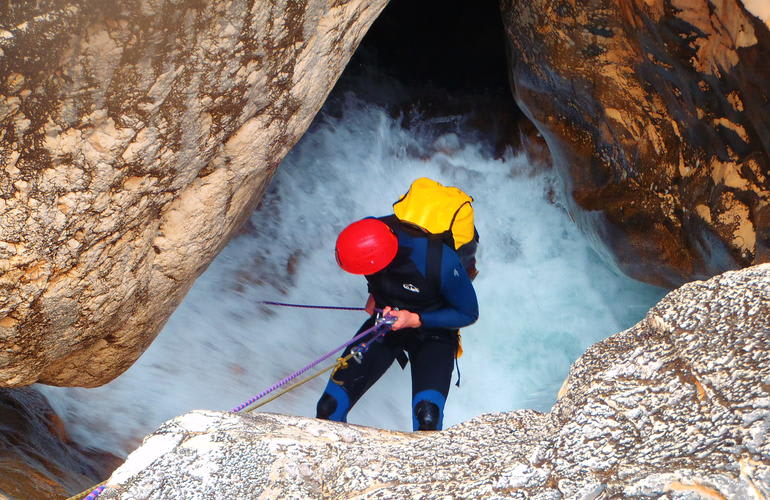
Water trekking and canyoning are original, invigorating and full of thrills, and require only one thing: knowing how to swim. For both activities, you are strongly advised to set off on an adventure with a professional guide. The differences mentioned above mean that water trekking is better suited to families with young children. The minimum age for this fun and sporting activity is often 6, as opposed to 12 for canyoning.
It often happens that a canyoning activity is cancelled because of bad weather or because there is too much or too little water in the canyon. In such cases, some people opt for the water trekking activity offered by the same service provider, as it is easier to organise and requires less commitment.
Each canyoning and water trekking experience is unique because it depends on the landscape. It is possible to find water trekking activities with a zip line and canyoning that ends in a vast natural pool. Ask about the precise itinerary when you book. These two activities are quite similar, although canyoning is more suited to adrenalin-seekers who aren't afraid of getting into dangerous situations.
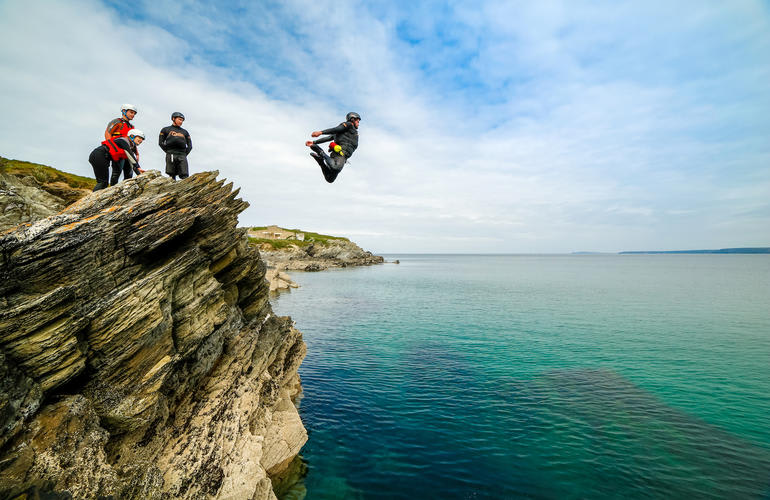
The last activity that can cause confusion is coasteering. Invented by the British, this activity is very similar to canyoning in that it also combines jumping, swimming, abseiling and climbing.
On the other hand, coasteering is practised on coasts, cliffs and rocks and mainly on the ocean or lake (and not in a canyon). For the ideal spot, take a look at our article on the 10best coasteering sports in Europe.
From now on, you'll know all about water sports! Choose the next adventure that suits you best:

Driven by a genuine passion for adventure, I love sharing my discoveries and passing on my tips with simplicity and enthusiasm. My goal: to inspire you, guide you, and spark your desire to experience your own unforgettable outdoor moments.
Check out the Complete Guide to Canyoning. Everything you need to know is right here - from what to bring to where to go, this is a must-read for canyoning.
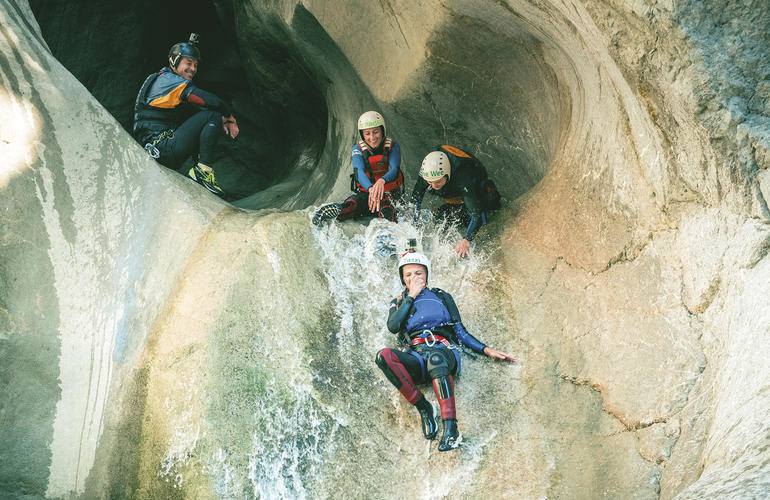
Everything you need to know about canyoning before embarking on your adventure: Who is it for? Which canyon to choose? What to bring? The best spots?

Discover the best canyoning adventures in Mallorca for all levels and experience breathtaking landscapes.
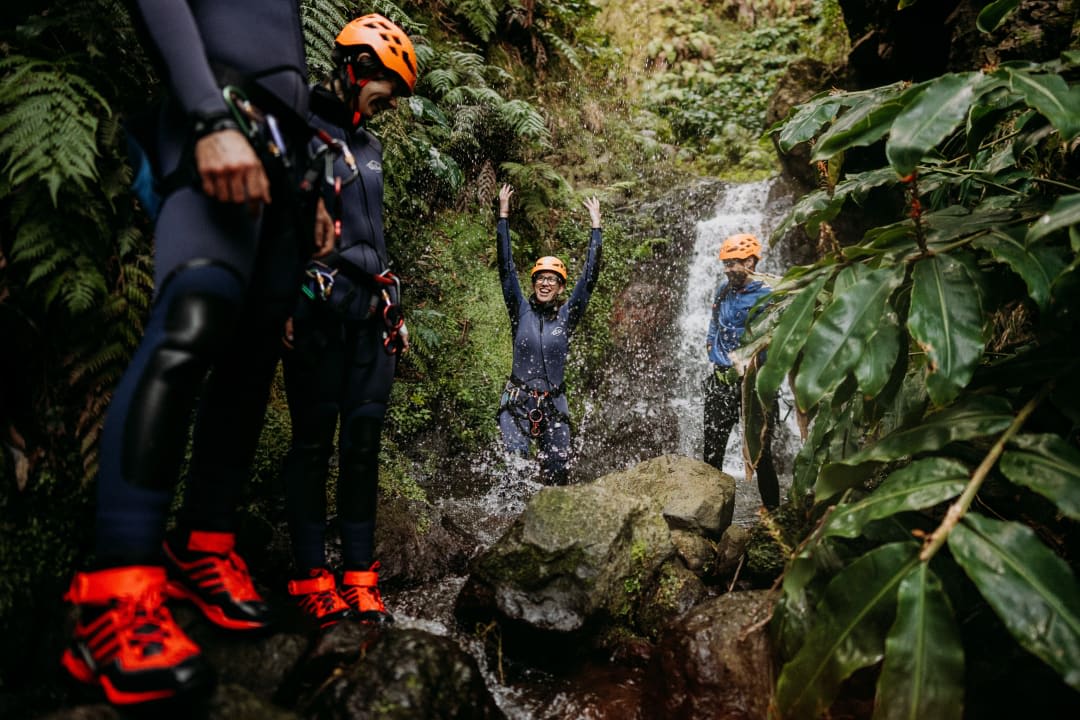
Discover thrilling canyoning in Madeira with waterfalls, pools, and hidden valleys for all adventure levels.
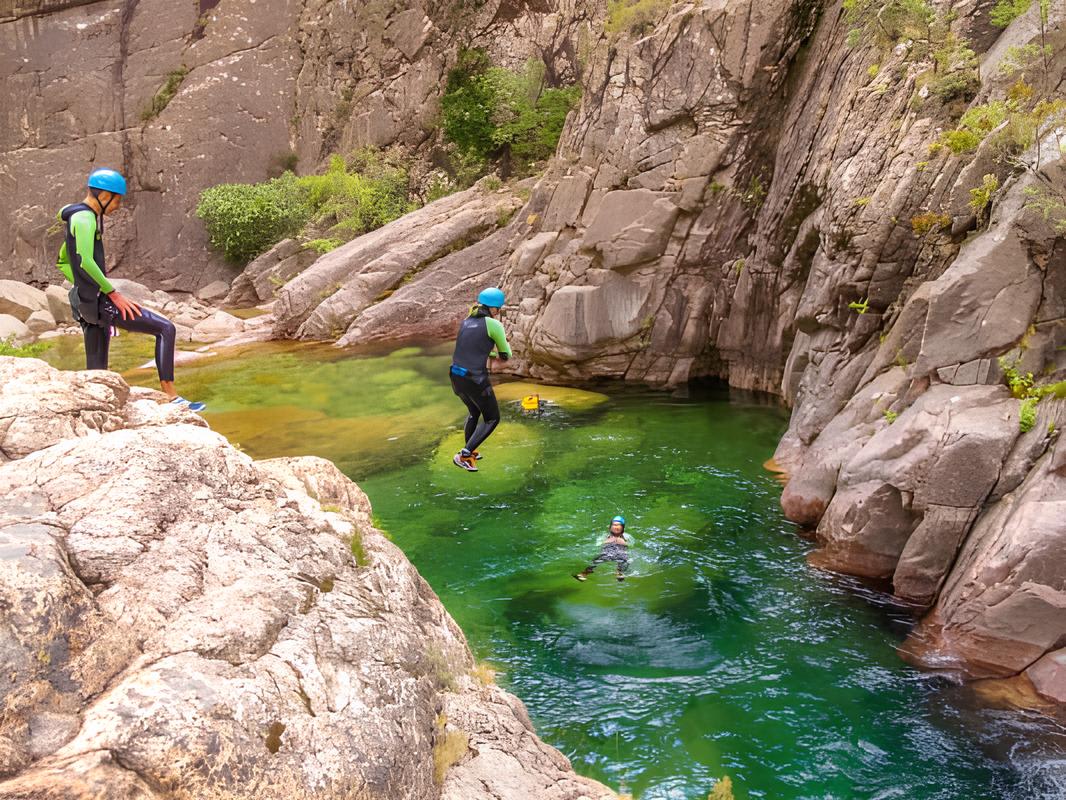
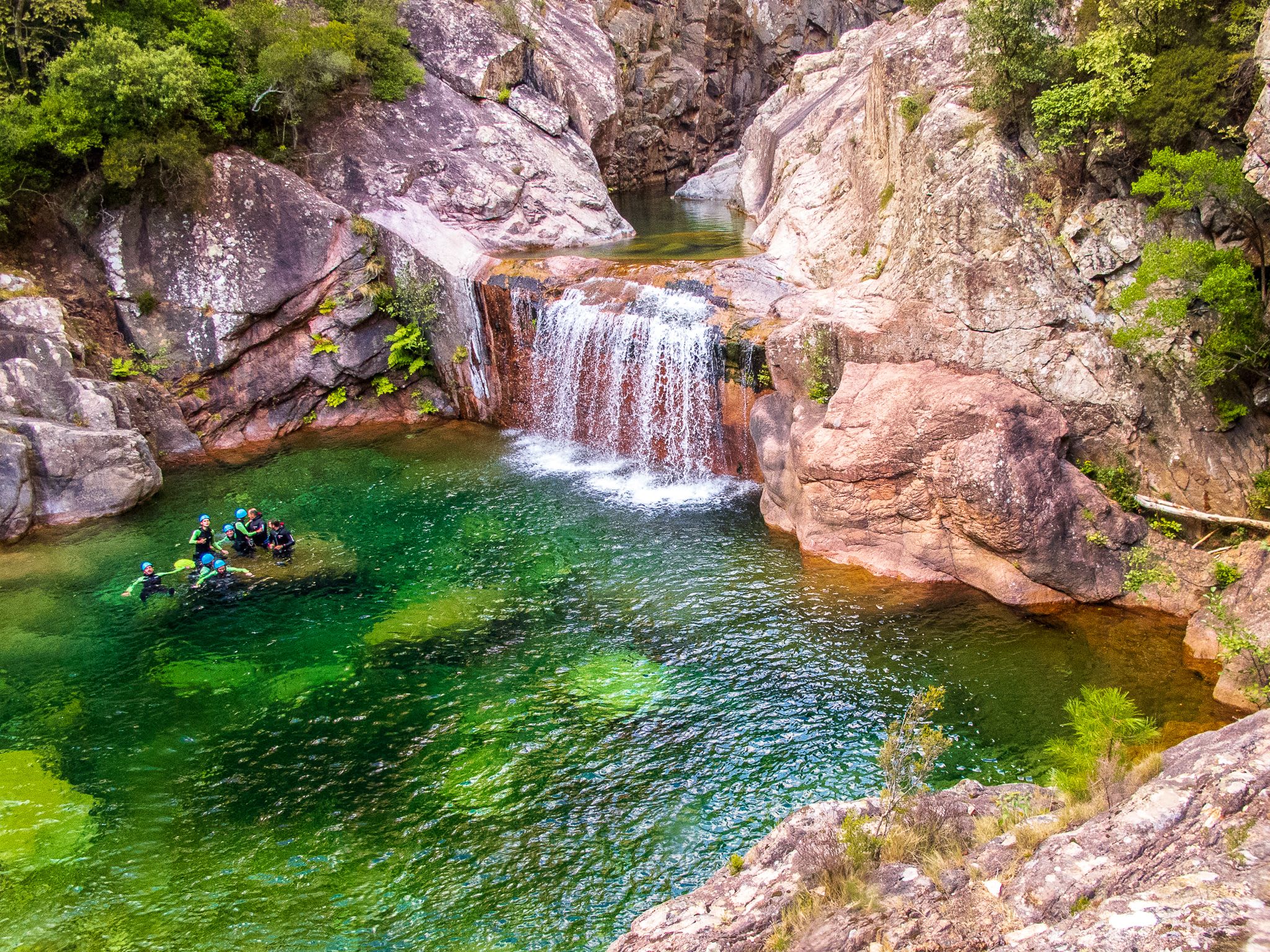
Many of France's most beautiful canyons can be found in Corsica. To help you discover them, here's our complete guide to canyoning in Corsica!

Discover the top 10 canyoning spots in Corsica: from the fun of Fiumicelli to the thrills of the Purcaraccia.